%20FULL%20COLOUR%20-%20BLUE.svg)
Prioritizing Lung Health at Better Breathing Week 2026
By Katie Hulan, ALK Positive Canada
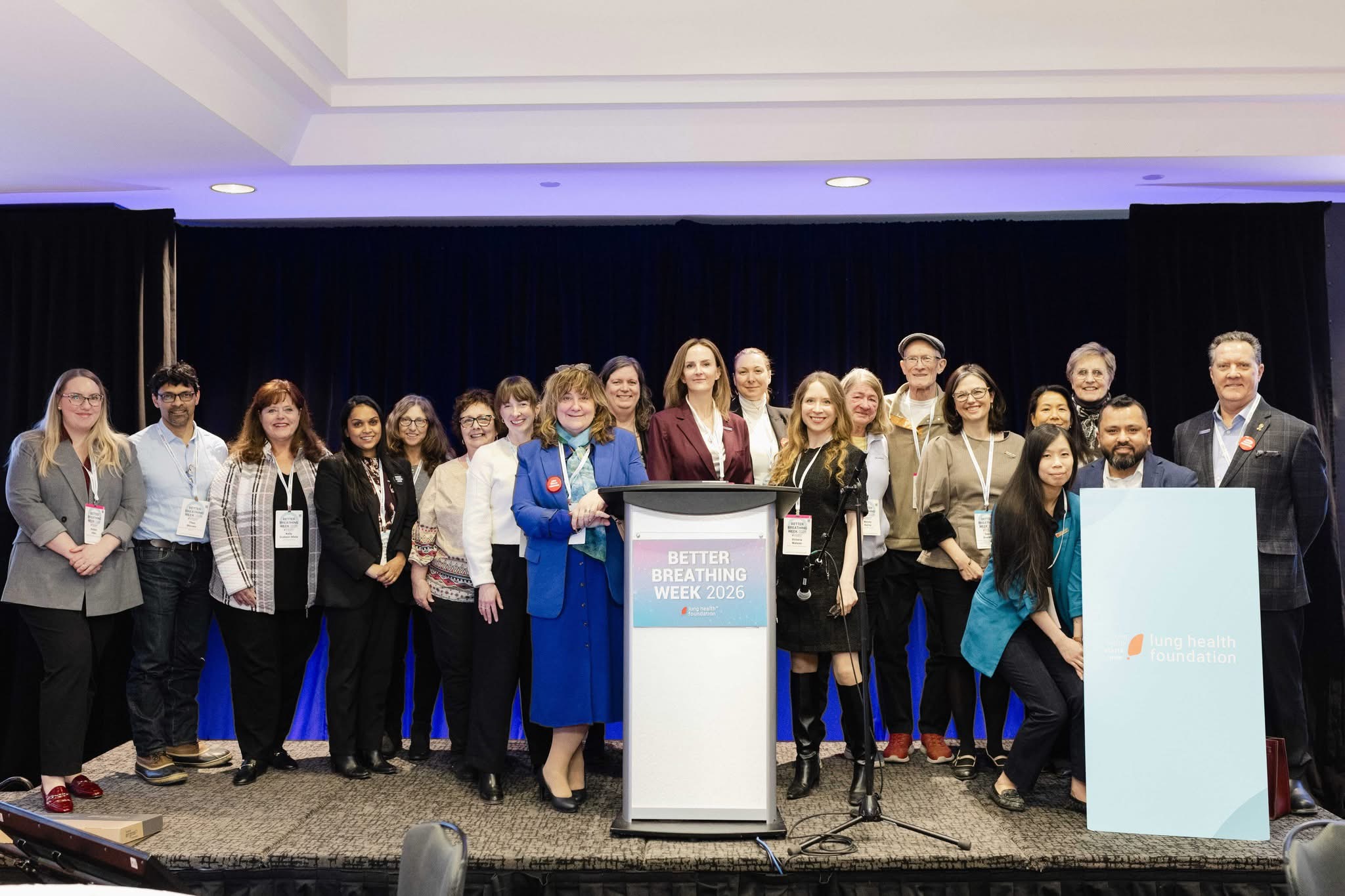
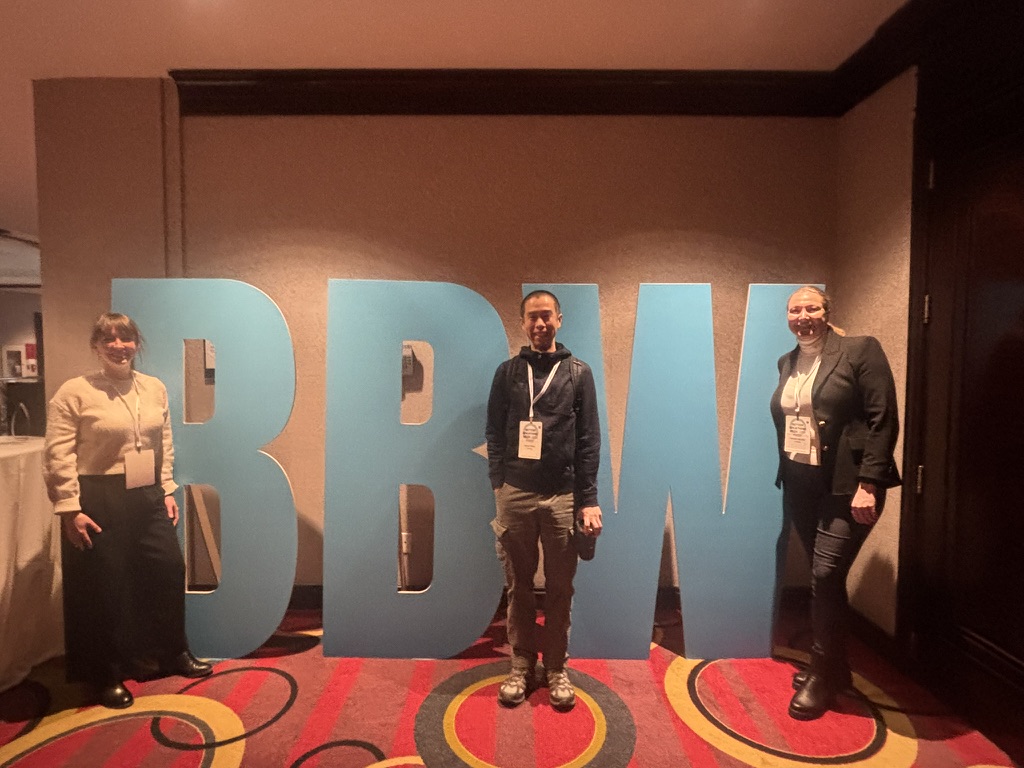
After returning from Better Breathing Week in Toronto with Vanessa and Winhan, I am feeling both energized and humbled by what’s possible when we align science, policy, and lived experience.
This annual conference by Lung Health Foundation brought together clinicians, researchers, policymakers, and people with lived experience to drive meaningful change in lung health. It is the kind of cross‑sector collaboration we need more of in Canada.
The Pan-Canadian Lung Cancer Action Plan
Dr. Christian Finley presented the 2026-2035 Action Plan which is a national roadmap to cut lung cancer deaths by 30% by 2035. The four ways the plan will reduce mortality over 10 years are:
- Reduce exposure to carcinogenic inhalants.
The plan calls for stronger tobacco control, radon testing, cleaner air standards (indoor and outdoor), and safer workplaces where people may be exposed to carcinogens like asbestos or diesel exhaust. - Detect lung cancer earlier. The plan emphasizes expanding and improving lung cancer screening and early diagnosis. This includes broader eligibility for low-dose CT screening for people at higher risk, making screening programs easier to access (geographically and financially), and raising public and primary‑care awareness so people get referred. It also means reducing wait times and bottlenecks in imaging and diagnostic pathways.
- Improve access to timely, best‑in‑class care. Here the focus is on making sure that once someone is diagnosed receives the right care regardless of where they live or who they are. That includes access to surgery, radiation, targeted therapies, biomarker testing, clinical trials and more. The plan also talks about coordinated, patient‑centred care, navigation support, and using data to track performance and close gaps between provinces and between population groups.
- Accelerate lung cancer research. The Action Plan calls for increased, sustained funding for lung cancer research and a more coordinated national research agenda.
We look forward to seeing developments in 2026 for this plan.
“Creating Safe Connections” as a model for better screening rates and care
Better Breathing Week didn’t just focus on technology and clinical guidelines. It pushed us to look at how we talk about screening and who feels safe accessing it.
The Creating Safe Connections: Towards Equity‑Informed Preventative Care discussion initiative felt like a roadmap for how we can do better across the system. The course focuses on lung cancer screening and smoking cessation as case examples, but the principles are broader:
- Integrate equity‑oriented, trauma‑ and violence‑informed care into everyday primary care.
- Support organizations to embed trauma‑informed policies and protocols—not just one‑off “nice to have” conversations.
- Use practical tools (videos, case‑based activities, quizzes) that providers can actually apply.
Being trauma‑informed means recognizing that trauma shapes how people:
- Talk about their health (for example, describing symptoms like chronic pain, palpitations, or breathlessness without naming trauma).
- Think (dissociation, avoidance, feeling overwhelmed or hypervigilant).
- Feel (shame, guilt, numbness, anger, lack of hope).
- Behave (including using substances like tobacco to cope).
When we ignore this context, we risk reinforcing stigma instead of supporting change. For example:
- Shame and stigma around smoking (and lung cancer overall) discourage people from disclosing or engaging.
- Structural violence such as housing instability, precarious work, and lack of transportation makes participation in screening (or accessing care) harder.
Previous coercive or negative healthcare experiences fuel medical mistrust.
For ALK-positive patients, and many others, this information matters. Our stories don’t just start at diagnosis; they sit on top of years of experiences with the health system, inequities, and sometimes trauma. If we want more people to feel comfortable advocating for their care from pre-diagnosis to diagnosis and onwards, we have to create encounters that feel safe, respectful, and collaborative.
Lung cancer screening: evidence is not the problem anymore
One of the standout sessions for me was Global Implementation of Lung Cancer Screening: Lung Cancer Screening – Global Landscape and Emerging Progress, from the Lung Health Foundation and Siemens Healthineers. The evidence for low‑dose CT (LDCT) is clear: it saves lives by catching lung cancer earlier, when treatment options are better and survival is higher.
Key messages that stuck with me:
- Lung cancer is still the world’s deadliest cancer largely because it’s diagnosed too late.
- LDCT screening has strong evidence for reducing mortality.
- High‑income countries are moving ahead, but middle‑income countries now represent the greatest opportunity—and responsibility—for global impact.
- Implementation is less about “if screening works” and more about “how we make it work in real systems, for real people.”
I was impressed by how quickly some systems have moved. In the UK, lung cancer screening grew from pilot to nationwide in about a year, despite workforce shortages. We also heard about creative approaches like using supermarkets as pop‑up screening locations—meeting people where they are, both literally and figuratively.
Another theme was simplicity. In Croatia, for example, primary care shortages are a huge issue, yet they’ve built one of the most successful programs by making everything electronic and centralized. The takeaway: if we want participation, we have to make the process easy—for both providers and patients.
Learning directly from communities: Akwesasne and Indigenous lung health
Another powerful thread throughout the conference was Indigenous lung health and environmental justice.
In the session “The Coming Faces”: Including the Environmental Exposome in the Screening for Lung Cancer, Dr. Ojistoh Horn walked us through lung cancer in Indigenous communities in Canada, with a focus on Akwesasne. The learning objectives alone show how holistic this work is aiming to be:
- Introducing the cultural role of tobacco.
- Summarizing lung cancer data in Indigenous populations.
- Exploring barriers and limitations to lung cancer screening.
- Telling the story of Akwesasne’s environmental exposures and how they relate to lung cancer.
- Following the community and patient journey of lung cancer screening in Akwesasne.
We saw historical coverage of pollution in Akwesasne, and newer research on polychlorinated biphenyls (PCBs) in tree bark—evidence of airborne contamination that communities have been living with for decades. The message was clear: when we talk about risk, we have to talk about land, water, industry, policies, and how all of these shape who breathes what air.
Another story shared during the conference—about decolonizing tobacco and bringing cultural teachings back into how tobacco is grown, used, and understood—offered a powerful example of how healing can be both medical and cultural at the same time.
As we advocate for equitable access, it was a reminder that precision medicine must go hand‑in‑hand with public health and environmental justice.
Creating change and making connections
Throughout the conference, there were many chances to talk about how policies are put into practice, where change can happen, and how we can keep improving care across the whole lung health care continuum.
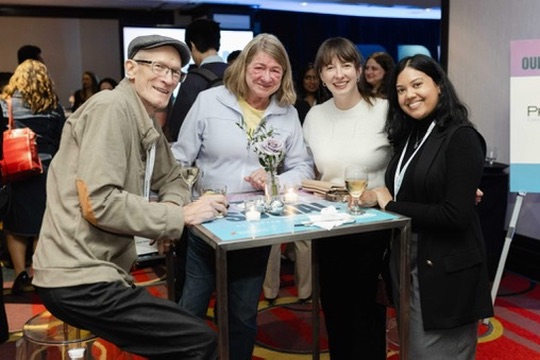
The connections with other lung health and lung cancer patient advocates was especially meaningful. Sharing experiences and ideas reminded me how powerful it is to work together toward better prevention, earlier diagnosis, and better care for everyone.
What this means for ALK Positive Canada
For ALK Positive Canada, Better Breathing Week reinforced a few key priorities:
- Early detection matters. Many of us, myself included, had symptoms for months before anyone considered lung cancer. Expanding the criteria of and improving evidence‑based screening programs, and making them accessible, could change that story for future patients. Additionally, improving education in schools, educating general practitioners, and other health care practitioners about lung cancer symptoms can improve detection.
- Implementation is everything. We need to push for systems that work in real‑world settings across provinces and territories, including for people who face the greatest barriers. We also need a way to measure what we implement and improve over time.
- Equity and trauma‑informed care aren’t add‑ons. They’re essential if we want people to actually participate in screening, feel respected, and stay engaged in care.
- Environmental and structural factors matter. Whether it’s industrial pollution in Akwesasne or gaps in access to primary care in Northern Ontario, lung health is shaped by more than biology.
- Lived experience belongs at the centre. Some of the most impactful moments of the conference came from people working with and living with lung disease sharing their stories, expertise, and solutions. Being rooted in the experiences of those living it is how we create the right kind of change.
Better Breathing Week brought together clinicians, researchers, policymakers, and people with lived experience in a way that felt practical, urgent, and hopeful. For me, it was a reminder that while ALK‑positive lung cancer is a specific diagnosis, the changes we’re pushing for benefit the entire lung health community.
We’ll be carrying these insights into our advocacy, education, and partnership work over the coming year. There’s still a long way to go, but after this conference, I’m more convinced than ever that when we work together across sectors and centre our lived experience, we really can help more people earlier and for longer.