%20FULL%20COLOUR%20-%20BLUE.svg)
Six Canadian Voices on Lorlatinib: What Patients Say About Results, Side Effects, and Daily Life

Lorlatinib is a targeted therapy for ALK‑positive non‑small cell lung cancer (NSCLC) that can deliver meaningful disease control—especially in the brain— though it can come with side effects that may require active attention and care.
In this post, six Canadians share real‑world experiences with lorlatinib: the benefits they’ve noticed, like improved cancer management, and the challenges they’ve faced, such as cholesterol changes, edema, neuropathy, and cognitive effects. They also discuss the practical steps they take with their oncology teams to handle side effects and maintain a good quality of life.
If you or someone you know is navigating ALK‑positive lung cancer, these personal stories offer valuable insight, perspective, and actionable tips you can discuss with your care team.
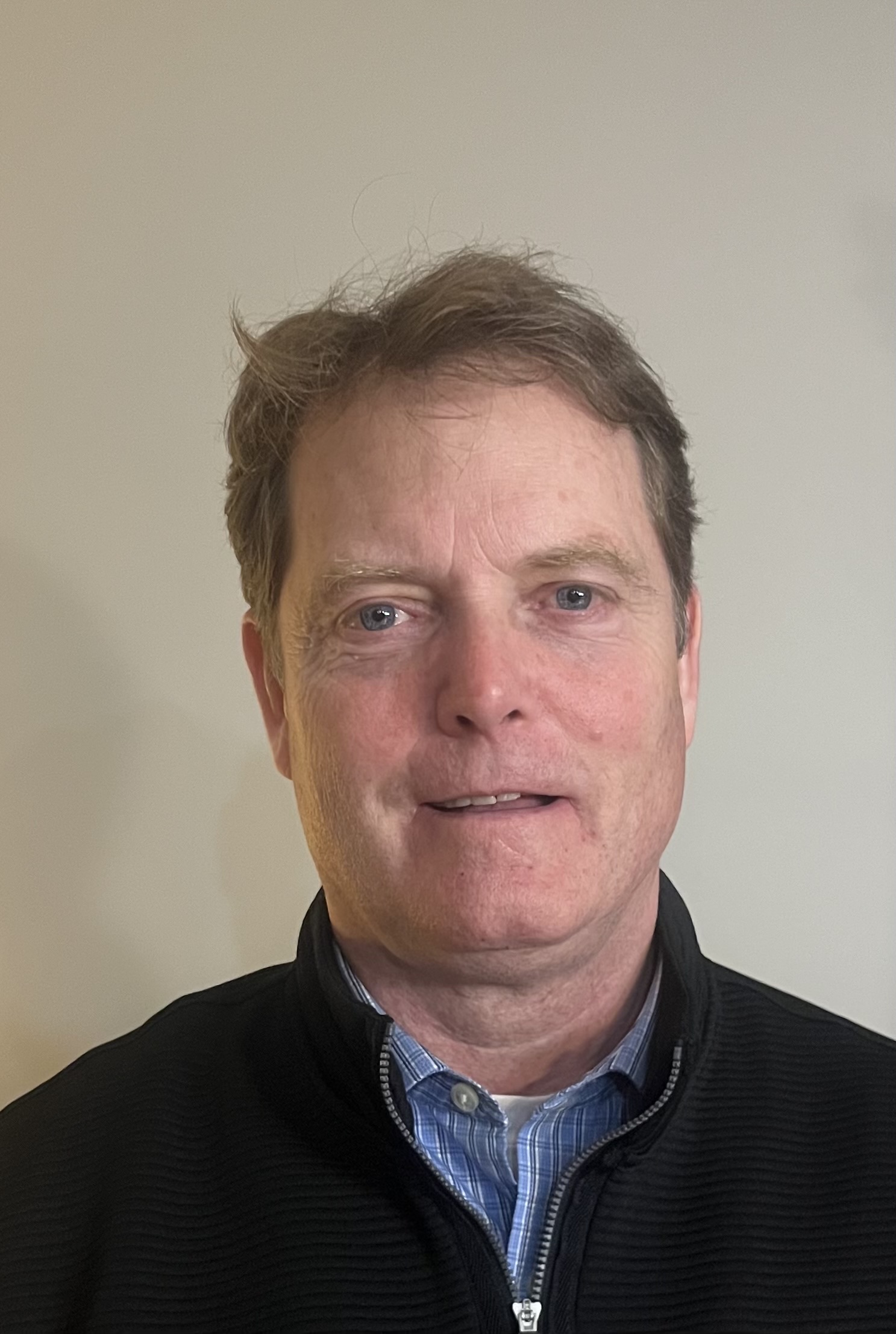
Gerald Green, Nova Scotia
I have been on lorlatinib since May, 2021. It is a third line treatment for me. It has had a remarkable impact on my life.
I was initially diagnosed in February, 2019 but in the spring of 2021, I was diagnosed with leptomeningeal disease while on my second line treatment. It was a devastating diagnosis and I was told to get my affairs in order.
When my doctor was able to procure lorlatinib for me, she was not sure if it would work for me. But I started feeling better almost immediately. By the fall I felt well enough to get back to spin classes at our local YMCA, coaching hockey and experiencing life with my wife and children.
While I’ve experienced some side effects with lorlatinib - weight gain, raised cholesterol, blood clotting, edema and some CNS impacts - all have been manageable one way or the other, including blood thinners and medication for high cholesterol.
Although it's not without its challenges, to a large extent I feel like lorlatinib has given me a chance to focus on living longer and living well.
Ru Agrawal, British Columbia
When I started lorlatinib in November 2023 for my stage 4 ALK-positive lung cancer, I was filled with both relief and uncertainty. Relief from stage 4 symptoms that I was experiencing, and uncertainty about how my body would respond. On the positive side, within 7-10 days my intense body pain was gone, I started to sleep and eat again and stopped the non-stop coughing that I had endured for 4 months prior. On the flip side, two months out I began to notice other changes — excessive hunger and cravings that led to weight gain, cholesterol levels that suddenly climbed, a strange metallic taste that dulled the real flavor of foods, and swelling in my ankles/leg/feet that reminded me daily of what my body was enduring.

These side effects were unsettling. I did not have any health conditions prior to starting lorlatinib. Sometimes it felt like things were not in my control, no matter what I did.
My oncologist began increasing my cholesterol dosage to keep up with the change. To make sure there were no blood clots in my leg, he ordered an ultrasound a couple of times. When that didn’t show anything he left it at that. Luckily, the swelling wasn’t painful for me to walk or exercise. It did change my shoe size though. So after buying a new pair, I tried to manage it by walking and exercising. Blood circulation helped it a bit.
Hunger wise, it was beyond my control, I tried increasing my protein and cut down on carbs. Luckily, around April 2025, my appetite went back to normal on its own. No more cravings either. That was such a relief. Now I am trying to lose the weight that I gained.
Most recently my blood sugars were high. Again something I was not struggling with before starting the medication. I am certainly not looking forward to adding new pills or increasing current dosages.
Lorlatinib has given me more time, and I’m grateful for it while acknowledging its challenges. For the most part I am able to continue my life like before which is great. I do worry about what these side effects would mean eventually. A cancer journey is about resilience and redefining what it means to live and it certainly feels like that for me.
Manon Bourbonnais, Quebec
When I started Lorlatinib in May 2024 at 75mg, I experienced memory loss and cognitive effects such as a foggy brain and nightmares at night.

After the three month scan and MRI, tumors had greatly reduced so I asked if I could reduce the dose to 50 mg. I have been on 50 mg ever since without tumor progression (or nightmares!). I did lose about half of my hair 4 to 5 months after starting the treatment, and a toe nail (due to neuropathy) but unlike most patients on lorlatinib, I don't have high cholesterol, that means I am not taking anything else than the TKI.
I'm living the same life as before my diagnosis, with lots of traveling for work and fun, lots of cycling and activities.
Craig Smith, Ontario
My story with ALK-positive lung cancer began formally on April 1, 2019, during a morning appointment with a Medical Oncologist and a Radiation Oncologist…which unfortunately was not an April Fool’s joke! Still reeling from the diagnosis on April 3, 2019, I experienced a cardiac tamponade in the middle of the night, requiring paramedics, an ambulance ride and an emergency pericardiocentesis (via a great team at the Ottawa Hospital). Then on April 5, 2019, I started my first TKI (alectinib) and within hours of the first dose I was coughing less and feeling better. Alectinib was very effective on my extensive lung involvement but brought with it side effects and was not very effective in protecting my brain from the ALK. Follow up brain MRI’s and body CT’s identified multiple cystic, non-enhancing brain tumours in early 2021. I required a full awake craniotomy in February 2022 to remove the largest of several cystic brain tumours and to confirm the molecular composition of the tumour via NGS. No new mutations were present vs my original NGS report on the diagnostic lung biopsy. In consultation with my oncology team and an ALK specialist I stayed the course with alectinib and continued to monitor the other tumours. In January of 2023 my brain tumors had grown and now numbered approximately 10 individually identified areas of concern. I decided along with my team that it was time to switch to lorlatinib and delay a second more extensive craniotomy.
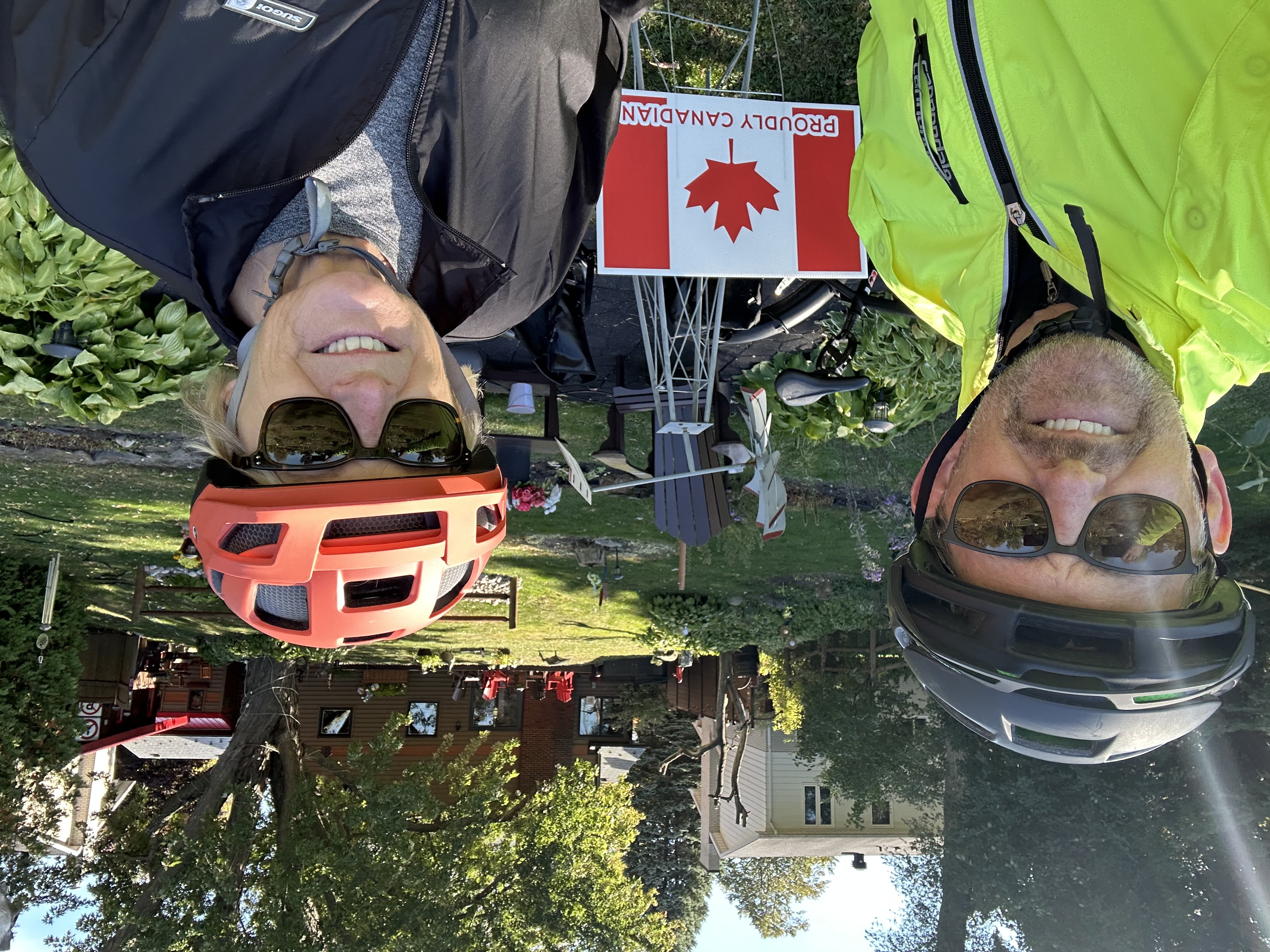
Because of my extensive brain involvement, I agreed to start lorlatinib at 100 mg/day though I was aware of potential benefits and negatives of higher and lower starting doses. Lorlatinib provided very effective control of the cystic brain tumours with a measurable decrease in the number and size of the brain tumours confirmed via an MRI six weeks after the start of treatment.
Unfortunately, I experienced brain fog and very extensive and painful neuropathic issues in both arms from my shoulders to the tips of my fingers starting around 4 weeks after initiation of lorlatinib. As per many others, I have also had a significant increase in my LDL-C following the initiation of lorlatinib and began statin therapy approximately 4 weeks into my life on lorlatinib. The statin therapy caused a very noticeable increase in my hand pain concerns.
I feel better overall on lorlatinib than I did on alectinib, but the remaining hand neuropathic pain is significant and not responsive to many treatments I have tried, including acupuncture, duloxetine, pregabalin, gabapentin, hydroxychloroquine, a series of prescription medicated topical creams and hot/cold therapy. By the fall of 2023, I was feeling disappointed by the pain I was experiencing and the lack of relief from the multiple Rx’s and treatments to resolve or reduce the pain. So, I decided to discontinue all the side effect management medications that I was taking, including duloxetine, pregabalin and Vimovo. I took a several month break from the statin and I tidied up my diet by reducing sugars and snacking, when possible, to try feel healthier overall. This has helped me to feel better as I had hoped and has resulted in a reduction in my weight instead of the expected lorlatinib weight gain.

To deal with my persistent hand neuropathy, I have tried taking breaks from lorlatinib which is not a long-term strategy and short term provided no relief, so I tested taking a break from the statin. My hand pain improved almost immediately after taking a break from the statin, so I discontinued the statin. I felt that more relief was required, so I reduced the lorlatinib from 100 to 75mg/day and then from 75 to 50 mg/day, including testing alternate doses every other day or every few days to keep the dose as high as possible. FYI, anytime I changed my meds in any way I would have a discussion with the oncology team.
I am closing in on three years since starting Lorlatinib (and 6 ¾ years since diagnosis). My brain tumours are no longer apparent on MRI, except for 1 and that 1 remaining tumour continues to shrink slowly on repeat surveillance MRI every 3-4 months. My body remains clear thanks to the great cleanup job that alectinib accomplished initially and lorlatinib has helped to maintain. Lorlatinib at a dose of 50 mg/day allows me to maintain a quality of life that I can accept. I have discontinued all other medications, reduced my sugar consumption, and I maintain a strong commitment to fitness. Except for the pesky neuropathic hand issues, I feel well and continue to enjoy most of the interesting activities I did pre ALK-positive diagnosis!
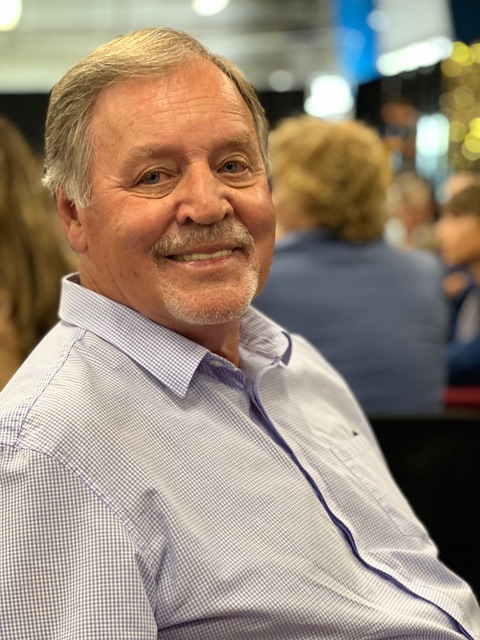
Terry Morey, Alberta
My name is Terry Morey and I was diagnosed with stage 4 lung cancer on November 14, 2013.
After experiencing IV Chemo, TKI’s crizotinib and alectinib I progressed to lorlatinib during May, 2019. Coming off of the two predecessors where I experienced swelling of hands and feet along with fatigue, lorlatinib was a welcome change. After taking lorlatinib for a couple of months, swelling of both hands and feet almost disappeared. The primary side effect was fatigue which seems to be common among all TKI’s and chemotherapy treatments.
For over two and one half years lorlatinib was quite effective with minimal side effects. Eventually, progression happened. I moved on and now in a clinical trial for treatment.
Katie Hulan, British Columbia
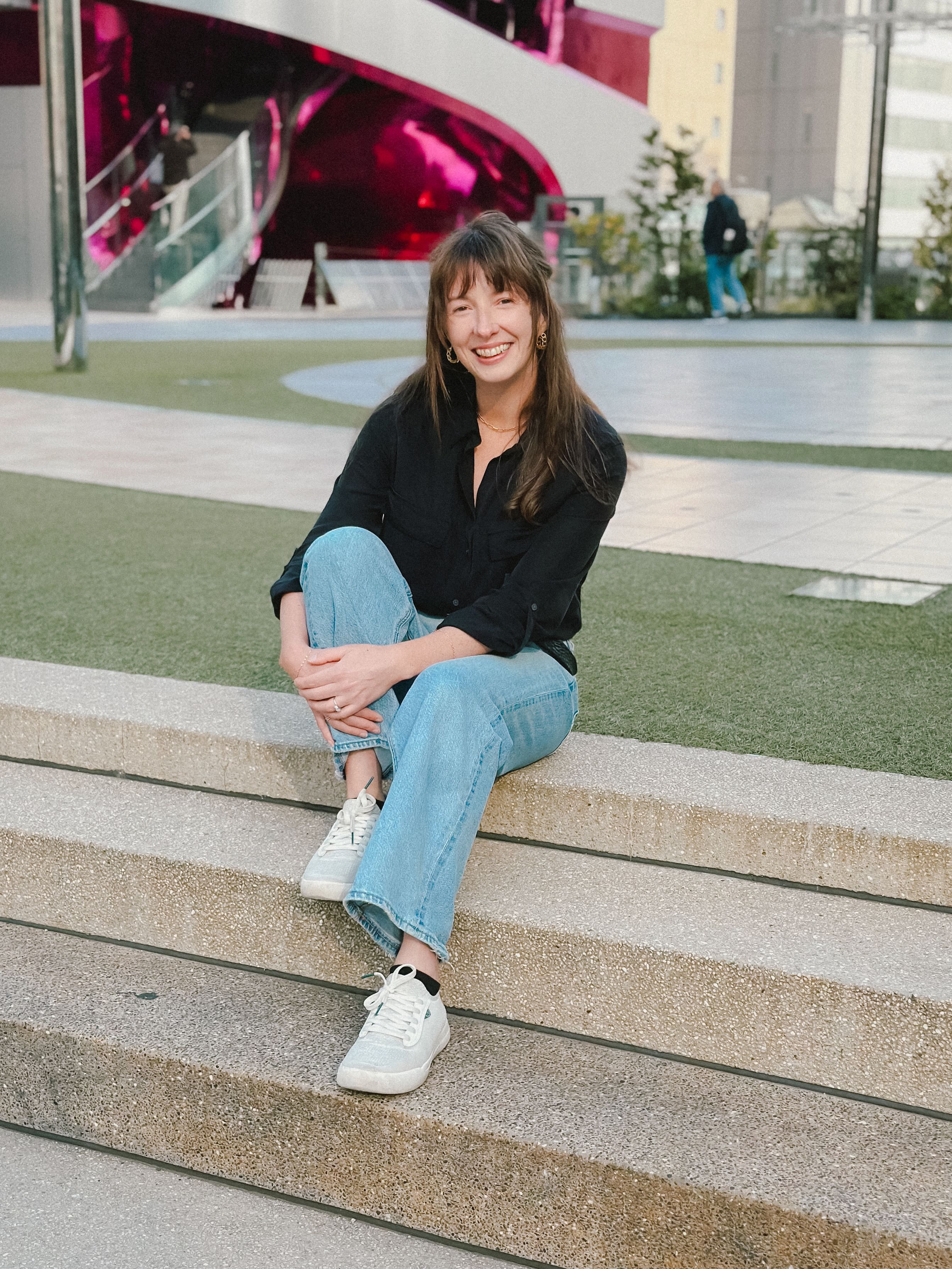
Since starting lorlatinib at 100 mg a day, I’ve felt genuinely great—steady energy, clear focus, and the confidence to return to my pre-diagnosis fitness levels and even push farther. I’m back to training regularly, hitting goals I didn’t think would be possible this soon, and feeling strong in everyday life.
I’ve travelled to Italy, New Zealand and Japan while on it.
Side-effect management has been straightforward for me, fortunately: I’ve had high cholesterol, which is well controlled with rosuvastatin (5 mg) and ezetimibe, and some GI issues in the first six months that improved with time. The best part came at the one-year mark where I received clear scans! I am grateful for this treatment as it has helped me live life fully.
What This Means for Patients
Lorlatinib has helped many ALK‑positive patients live longer and live well, even though side effects can sometimes add complexity. As these voices show, dose adjustments, lifestyle changes, and close collaboration with your oncology team can help manage these challenges, keeping treatment on track and life moving forward.
If you’re on lorlatinib—or considering it—connect with our community to learn from others and find support. Talk to your care team about side‑effect management, and visit our blog to explore helpful information and resources.